Showing posts with label clay paint. Show all posts

Wednesday, 11 November 2015

Colouring Clay


Many clay products such as polymer and foam clay can be purchased pre-coloured. Stone based air dry clay’s are usually white, grey or terracotta. If you want to colour your clay there are two main techniques; 
  • Pre- cured - wet clay
  • Post cured - dry clay
Colouring some stone based clay pre-cured doesn't always work well so it is important to experiment with a small piece of clay and colour pigments beforehand. 

There are an abundance of pigments that can be used to add colour and shimmer to your creations. In addition to using tempura and acrylic paints, air dry clay can be coloured with marker pens, inks, chalks and dyes. Glitter glue and metallic powders can also be added for extra sparkle and great effects. Remember that air dry clay is porous and the finished creation should be sealed with a varnish.

Before adding a colourant to uncured clay knead the clay to soften it making it easier to accept the colour. Gradually add the colourant a small drop at a time, making sure you work it in fully before adding more. Continue adding a few drops at a time until you are satisfied with the shade. Colouring clay can be very messy so be sure to work over a surface that can be easily cleaned or thrown away, such as plastic sheeting or newspaper.

Thursday, 3 September 2015

Clay Work With Cold Porcelain


Cold Porcelain is similar to most air dry clay’s and is great for making different clay projects, especially flower sculptures, jewellery, figurines and cake toppers. It is also great to use with moulds as it retains fine detail and is easy to remove from the mould. It is now becoming more and more popular with professional clay artists and craft people. It is also a great craft clay to use for beginners for their clay art projects. This clay is perfect for making delicate flowers and petal sculptures as it can be stretched and rolled extremely thin, which results in very realistic looking floral effects.

Wednesday, 2 September 2015

Which Air Dry Clay?


Air dry clay is a fantastic medium to work with for anyone from young to old and beginner to professional. It is available in a huge range of consistencies and textures and is great for very detailed fine clay work, through to large clay sculptures. It is usually a water based clay that will harden when it is exposed to air. Due to the vast variations in this clay, the strengths, durability and curing processes varies considerably with each one. Here are a few of the more popular air drying products and which clay craft they are ideally suited for making. 
**********

Activa Activ-Clay is 100% natural fine grain material for finer detailed creations. It is lightweight, moist clay that can be carved, sanded, drilled and painted and is available in white or terracotta. This is suitable for children and adults and all skill levels. It is ready to use straight from the packet, is non toxic and accepts multiple finishes.  According to the manufacturer it air cures to a good strength, will not crumble, and features a low amount of shrinkage and can also be cured in a kiln.

Ideally suited for: hand building, wheel throwing, sculpting and kids clay.


Sunday, 23 August 2015

Clay Work with Oven Hardening Clay


Oven hardening clay is a very versatile modelling material that is hardened by baking. This clay is a man-made material that will not dry out when exposed to air for a long period of time, but bakes at a fairly low temperature to a hard, often pliable surface that can be painted and decorated. The most popular heat-cured clay's are the polymer clay.

Polymer clay's are oil-based and therefore must be heated to cure, however, a home oven can be used and a kiln is not required. The baking process varies with each brand so it is always important to check the packaging instructions for each clay. To give you a rough idea, Fimo recommend you bake the clay at 110*C/230*F for 30 minutes. This will also depend on the size and thickness of the clay creation.

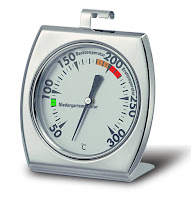
 Oven Thermometer
Oven Thermometers
Click for more
 It is a very good idea to purchase a oven thermometer because if the clay isn't baked properly it could burn or be brittle when cooled. This is a much quicker process than air dry clay, which usually
takes at least 24 hours to dry. Polymer clay will be plastic like, waterproof and very durable if cured properly. Polymer clay does not harden completely until it is cool so will feel soft to touch when it is taken out of the oven.

Another positive factor for oven baked clay is that it comes in a wide range of colours and effects. This is great if you don't want to paint your creations or you are making a specific creation that needs a certain surface effect such as marbling or granite. If you do want to paint the clay after it has been baked then acrylic paints are one of the best to use, although your clay creation will need to be varnished once the paints dry, in order to protect it.